
Understanding Concussion and the Road to Recovery: What an Older Adult Fall Can Teach You

If someone you love falls and hits their head, it can be tempting to focus on the visible injuries first—the bruise, the cut, the sore shoulder, the relief that they’re still talking and walking. But as this story shows, a concussion or subdural brain bleed can unfold in less obvious ways, and the real warning signs may not appear until days later. In this post, you’ll learn how a fall can trigger delayed concussion symptoms, why head injuries in older adults are so often missed, and what recovery can look like when the brain needs time, support, and careful intervention. This is based on a real family experience, and it offers practical lessons for anyone caring for an aging parent, spouse, or loved one.
Why Head Injuries in Older Adults Are Easy to Miss
One of the biggest dangers after a fall is assuming that a person is “fine” because they didn’t pass out, didn’t seem confused right away, or were able to finish the rest of the day. That is exactly what happened in this case. An 84-year-old woman fell in her kitchen, hit her shoulder and the side of her head, and then continued with her day. She fed the dog, went to her nail appointment, and only later developed a pounding headache. From the outside, it looked like a minor incident. In reality, it was the beginning of something much more serious. Older adults are especially vulnerable for a few reasons:
- Their falls are more likely to cause head trauma.
- Symptoms may be delayed or subtle.
- They may not report the fall clearly, especially if they think it “wasn’t that big of a deal.”
- Medical teams may focus on the most obvious concern first, such as a possible fainting episode or cardiac issue.
In this case, the emergency room initially treated the incident like syncope, which led to heart-related testing before the head was fully assessed. The CT scan that revealed a subdural brain bleed didn’t happen for hours. That delay matters. When someone over 80 hits their head and later complains of headache, that deserves immediate attention. A head impact should never be dismissed just because the person is still alert or seems functional in the moment.
The Symptoms of Concussion Can Show Up Days Later
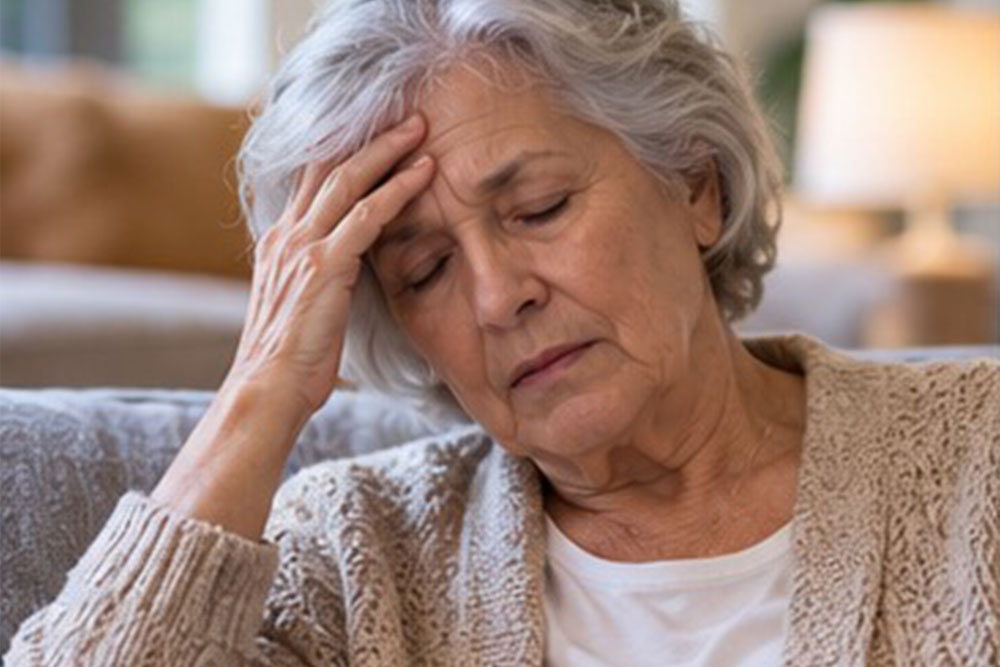
A common misconception is that concussion symptoms appear immediately and then steadily improve. Sometimes that happens. But as this story makes clear, symptoms can also emerge or worsen over several days. At first, the patient seemed stable. She was discharged from the hospital after her bleeding stabilized, but about a week after the injury, new problems became obvious:
- She was sleeping much more than usual
- She had trouble staying awake
- She repeated the same stories within the same conversation
- She struggled to find words
- She complained of persistent head pain
- She appeared to “power down” cognitively
This is where concussion recovery can become confusing for families. A person may seem okay on day one, then gradually get worse instead of better. That can feel alarming, but it is not unusual when the brain is trying to compensate for injury. The important thing to understand is that a concussion is often an invisible injury. The person may not look dramatically injured, but their brain function may be changing beneath the surface. If the injury involves bleeding, swelling, or associated neck strain, the effects can be even more complicated. Delayed symptoms can include:
- Headache
- Fatigue
- Memory lapses
- Word-finding problems
- Anxiety or mood changes
- Sleep disruption
- Sensitivity to movement or light
- Brain fog
A family member may say, “I was fine when I left the hospital, so why am I getting worse now?” That question is exactly why follow-up matters. What looks stable in the emergency room may not reflect what the brain needs over the next several days.
Why a CT Scan Is Only the Beginning of Recovery
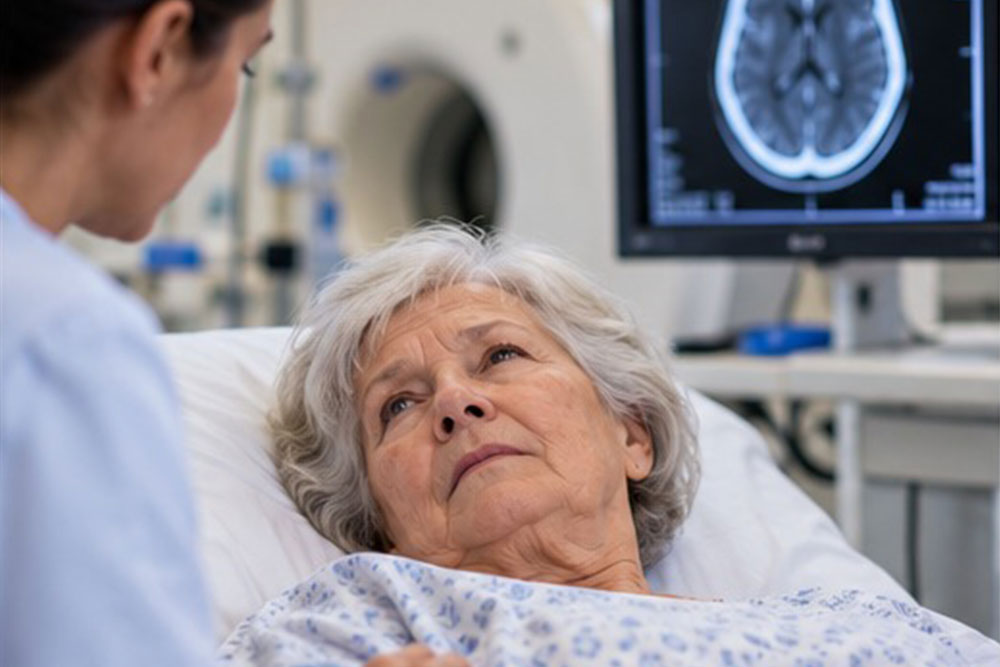
A CT scan can tell you whether there is bleeding, swelling, or another urgent structural issue. That is essential. But once the scan has ruled in or ruled out major danger, recovery still isn’t over. In this case, the CT scan showed a subdural brain bleed, and the patient was monitored in the ICU. The bleed later stabilized, which was good news. But the family still had to deal with the lingering effects of the injury—and that is where many people are left on their own. What stood out most in this story was not just the diagnosis, but the lack of concussion guidance. There were no clear rest instructions, no head injury recovery plan, and no real discussion of what symptoms to watch for. That gap is common. A hospital may focus on the acute emergency—cardiac concerns, fractures, bleeding, immediate safety—but not necessarily on the longer arc of brain recovery. Yet for a family caring for an older adult, the real work often begins after discharge. In this case, the patient needed:
- Continued monitoring
- Repeated CT imaging
- Quiet, low-stress support at home
- Careful observation for cognitive changes
- Eventually, neurological interventions once the bleed had stabilized
This is a reminder that the emergency room visit is not the finish line. It’s the starting point. The brain can continue to change, heal, and compensate after the initial event, which means recovery needs to be active, not passive. ged recovery after head injury.
What Recovery Looked Like: Brain Rest, Support, and Targeted Therapy
Once the patient was stable enough for further evaluation, the care team began looking more closely at brain function. A QEEG brain map was performed, and it showed extremely low brain wave power compared with expected norms for someone over 80. That finding helped explain what the family was seeing in real time: fatigue, slowed cognition, repetition, and difficulty with word retrieval. Think of it like a phone running on a near-dead battery. It may still turn on, but it won’t perform well. That’s a helpful way to understand why a person can seem “awake” but still be struggling neurologically after a concussion. From there, recovery included several pieces:
1. Brain-based assessmentThe QEEG provided more information than symptoms alone. It helped confirm that the brain was functioning below baseline and gave the care team a clearer direction for treatment.
2. Light therapy Photobiomodulation was used transcranially in areas related to injury, pain, memory, and word recall. The goal was to support recovery and reduce inflammation.
3. Neck-focused treatmentThe family noticed that pain increased when she lifted her head, which suggested a cervicogenic component—meaning the neck may have been contributing to the headache. Manual therapy to the cervical spine was used to support that structure.
4. Emotional support and reduced stress recovery was not only physical. Stress, frustration, and fear of falling again were all part of the picture. The patient needed reassurance, patience, and a calm environment to help her nervous system settle. That last point is easy to underestimate. The brain does not heal well under constant stress. If someone is already injured, emotional overload can make recovery harder. A supportive atmosphere is not a luxury—it is part of the treatment.
Three Practical Takeaways for Families Caring for Someone After a Fall
This experience led to three clear lessons that apply whether the injured person is your parent, spouse, grandparent, or even yourself.
1. Get evaluated early. Don’t wait to “see how it goes” if someone hits their head and then develops symptoms. Even if they seem okay at first, a formal evaluation can catch problems before they worsen. If the person is older, takes medications, or has any headache, confusion, or unusual fatigue after the fall, take it seriously.
2. Expect the brain to need time. A broken bone gets a cast. A concussion needs time too—sometimes more than people expect. If the person is getting irritated, tired, or emotionally overwhelmed, that doesn’t mean they are failing recovery. It means the brain is working hard. Try to reduce stimulation, keep routines simple, and avoid pushing them to “bounce back” too quickly.
3. Don’t argue with repetition—redirect it. If your loved one keeps telling the same story, they may not be doing it on purpose. Repeating the story is often a sign of perseveration or memory disruption. Instead of correcting them, try one of these approaches:
- Listen without calling attention to the repetition
- Change the subject gently
- Ask about something current or positive
- Keep the conversation low-pressure
- Watch whether a new topic improves engagement
In this story, redirecting to grandchildren, funny stories, or a new recipe helped shift the patient’s attention and showed that some memory and engagement were still intact. That’s a useful clue during recovery: the brain often does better when it is gently guided, not forced.
Frequently Asked Questions
How do you know if a fall caused a concussion?
A concussion can happen even if there is no loss of consciousness. Warning signs include headache, confusion, fatigue, memory problems, dizziness, nausea, or changes in behavior after a head impact.
Can concussion symptoms start a week later?
Yes. Some symptoms appear immediately, but others—especially fatigue, word-finding trouble, mood changes, and brain fog—may become more obvious days later.
Why are older adults at higher risk after a fall?
Older adults are more likely to suffer serious complications from falls because of thinner brain tissue, medication use, slower healing, and a higher risk of bleeding after head trauma.
What should you do after an older adult hits their head?
Seek medical evaluation promptly, especially if there is headache, confusion, drowsiness, vomiting, or any change in behavior. Don’t assume the person is fine just because they are still talking or walking.
Can the brain recover after a concussion?
Yes, the brain can heal, but recovery often takes time and the right support. Rest, stress reduction, monitoring, and targeted therapies can all play a role.
Final Thoughts on Concussion Recovery After a Fall
This story is a powerful reminder that a head injury can look minor at first and still cause major disruption later. A fall in the kitchen led to a subdural brain bleed, delayed symptoms, and a recovery process that required patience, observation, and targeted care. What matters most is this: if someone you love hits their head, don’t focus only on what you can see. Watch for what changes over the next hours and days. The brain is resilient, but it needs time, calm, and the right support to heal well.
If you want to learn more about what happens inside the brain after a concussion, watch or listen to the full conversation and subscribe to continue the next episode of the series. https://theneurocollectivepodcast.buzzsprout.com



© 2026 Bagnell Brain Center. All Rights Reserved. Accessibility Statement - Privacy Policy - Sitemap
Powered by: 