
Blog
Bagnell Brain Center Blog
Learn more about us in our blog!

The car has been repaired. Life is moving forward. Yet you still feel dizzy, exhausted, anxious, foggy, or simply unlike yourself. What could be happening after an automobile accident?

It's the championship game. Your child takes a hard hit, then gets up and says, "I'm fine." The coach needs them and their teammates are counting on them, but something doesn't seem right. This is the situation parents and coaches dread. In this article, inspired by the Concussion Conversations series on the NeuroCollective Podcast, Doc Bagnell explains why the game can wait and how to protect a young athlete's brain without taking away their love of the sport.

A child who slips on a pool deck may get right back up, then complain of a headache on the ride home. Concussion symptoms can take hours to appear, and a child can have a concussion without losing consciousness. When Pinecrest families ask us what to do after a fall, our first advice is to stop play, stay with your child, and check for emergency warning signs.

Children can experience concussions in everyday moments—from playground falls to bicycle rides and household accidents. Recognizing the signs early helps families make informed decisions about assessment and recovery.
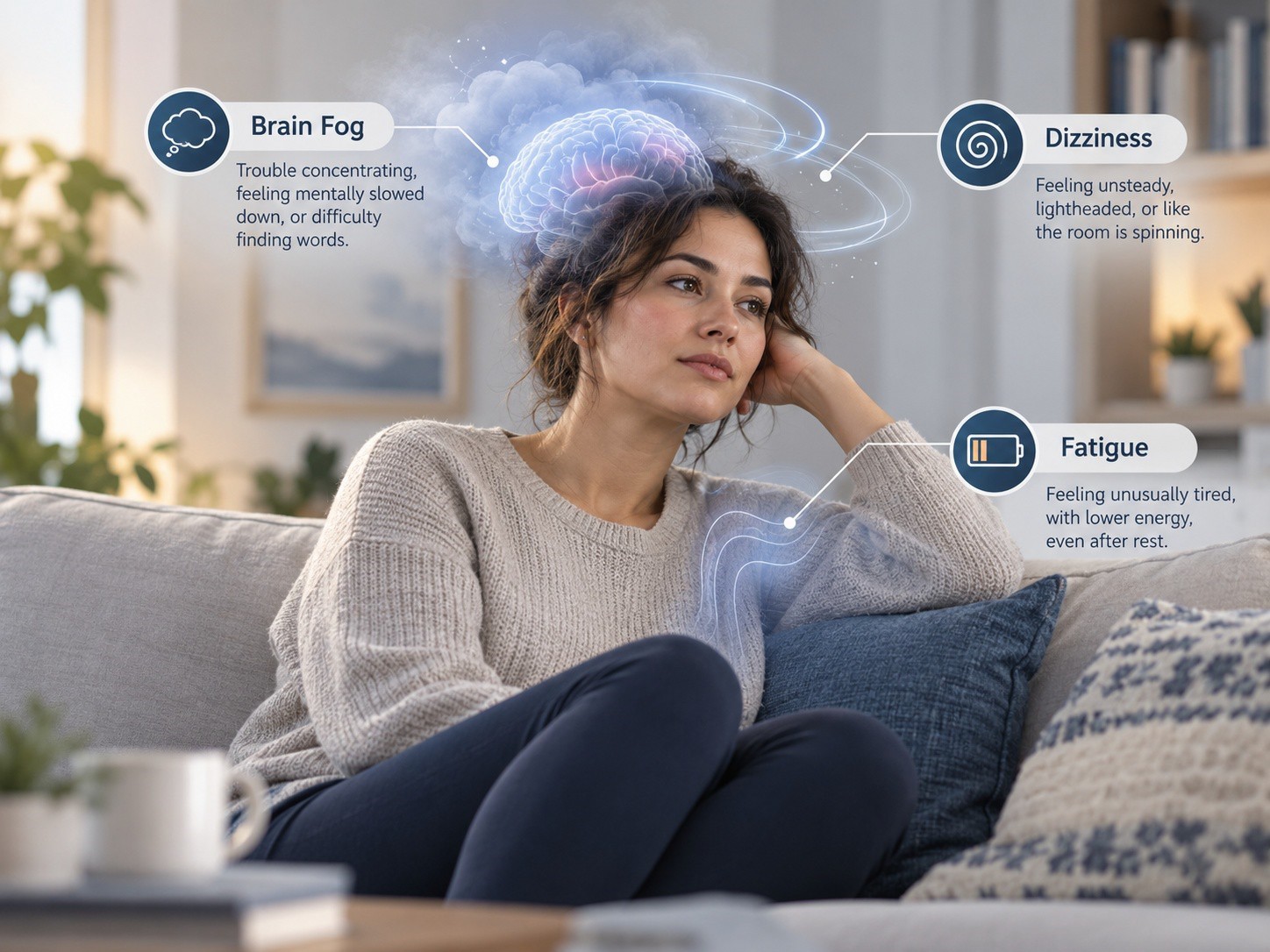
A concussion is often called an invisible injury because its effects can be real, disruptive, and difficult to see on standard imaging. People may look “fine” on the outside while experiencing dizziness, fatigue, headache, brain fog, or trouble concentrating.

If someone you love falls and hits their head, it can be tempting to focus on the visible injuries first—the bruise, the cut, the sore shoulder, the relief that they’re still talking and walking.

If you are considering functional neurology in Pinecrest, one of your first questions may be how much treatment will cost. Because functional neurology care is highly individualized, there is not always one standard price that applies to every patient. The total cost can depend on the type of evaluation needed, whether advanced neurological testing or brain mapping is recommended, and the length of your personalized care plan.

Dizziness, persistent fatigue, and trouble concentrating can seem like separate concerns, but they may sometimes be connected. When these symptoms occur together, they can affect work, school, exercise, and everyday activities. At our Pinecrest brain center, we look beyond individual symptoms to understand how the brain, nervous system, balance system, and overall health may be working together.

Healing depends on oxygen. Every repair process, from rebuilding damaged tissue to supporting normal brain metabolism, requires cells to receive enough oxygen to perform their work. When injury, inflammation, swelling, or reduced circulation limits oxygen delivery, recovery can become slower and less efficient.

Dizziness is a common complaint but often misunderstood. Many people assume that dizziness is solely an inner ear issue, specifically related to the vestibular system housed in the inner ear. However, this is only part of the story. In this post, we’ll explore why dizziness is more complex than it appears at first glance and highlight the innovative approaches that can truly resolve chronic balance issues.With advances in functional neurology and sophisticated testing, practitioners can now look deeper into the sensorimotor systems and brain networks involved. If you're struggling with persistent dizziness or simply want a clearer understanding to prevent its development, this comprehensive overview will shed light on the real causes and effective treatments.



© 2026 Bagnell Brain Center. All Rights Reserved. Accessibility Statement - Privacy Policy - Sitemap
Powered by: 