
Blog
Bagnell Brain Center Blog
Learn more about us in our blog!

If you are considering functional neurology in Pinecrest, one of your first questions may be how much treatment will cost. Because functional neurology care is highly individualized, there is not always one standard price that applies to every patient. The total cost can depend on the type of evaluation needed, whether advanced neurological testing or brain mapping is recommended, and the length of your personalized care plan.

Healing depends on oxygen. Every repair process, from rebuilding damaged tissue to supporting normal brain metabolism, requires cells to receive enough oxygen to perform their work. When injury, inflammation, swelling, or reduced circulation limits oxygen delivery, recovery can become slower and less efficient.

If you've ever worried about Alzheimer's disease, you're not alone. It's a top concern for many women, especially as they age, with nearly twice the risk compared to men. But what if some of that risk isn't just about genetics or lifestyle, but also connected to an often-overlooked part of your body—your vestibular system?In this post, we'll explore the surprising connection between your inner ear, balance system, and brain health. You'll learn how maintaining vestibular function could play a crucial role in preventing cognitive decline, including Alzheimer's disease, particularly in women. This is an eye-opener for anyone interested in proactive brain health strategies.

Dizziness is a common complaint but often misunderstood. Many people assume that dizziness is solely an inner ear issue, specifically related to the vestibular system housed in the inner ear. However, this is only part of the story. In this post, we’ll explore why dizziness is more complex than it appears at first glance and highlight the innovative approaches that can truly resolve chronic balance issues.With advances in functional neurology and sophisticated testing, practitioners can now look deeper into the sensorimotor systems and brain networks involved. If you're struggling with persistent dizziness or simply want a clearer understanding to prevent its development, this comprehensive overview will shed light on the real causes and effective treatments.
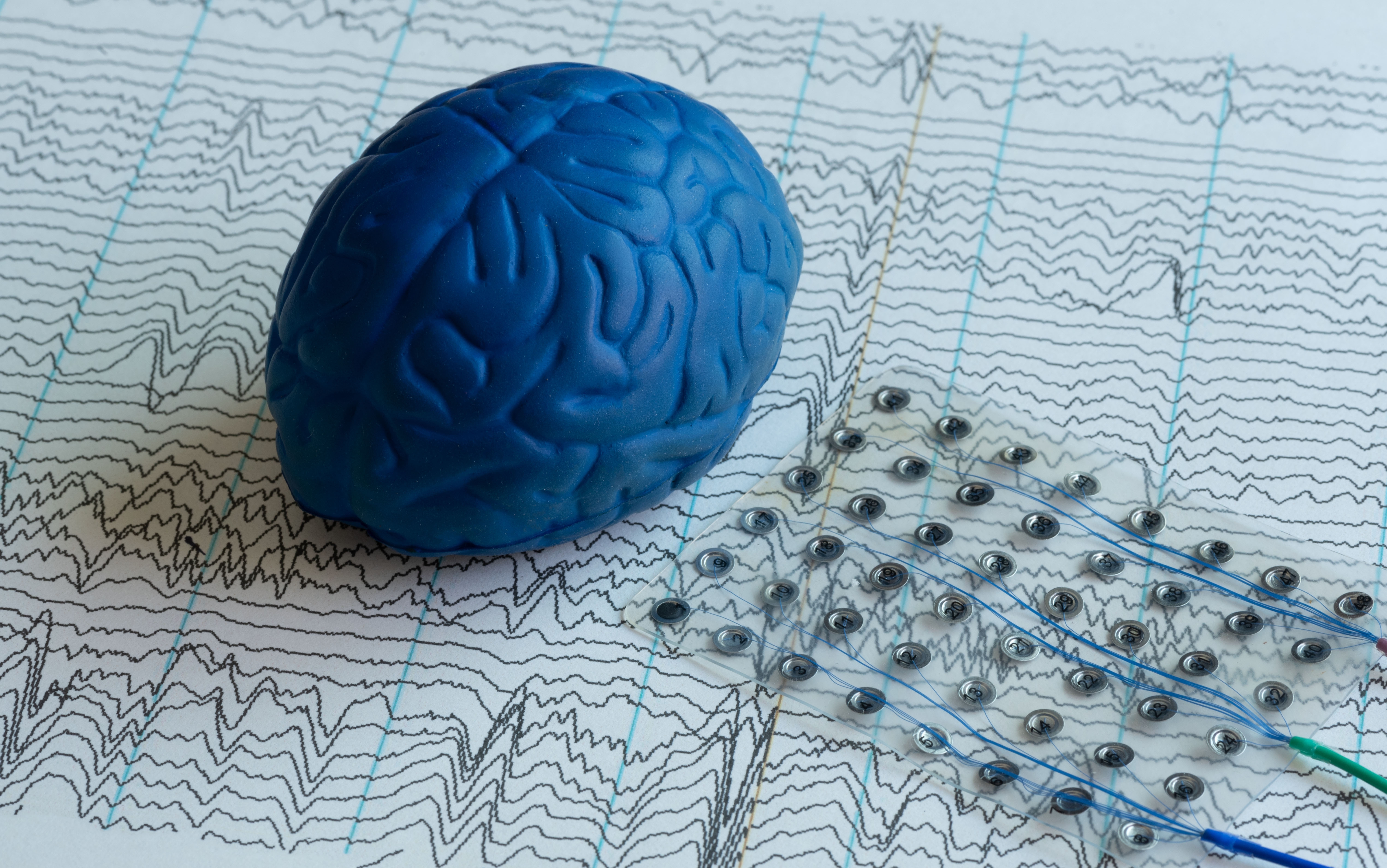
If you are exploring functional neurology brain mapping in Pinecrest, you may be wondering what the consultation actually involves. Brain-based symptoms can feel frustrating when they affect focus, mood, balance, sleep, memory, or day-to-day performance. A brain mapping consultation is designed to gather more information about how your brain is functioning so your care plan can be more personalized.

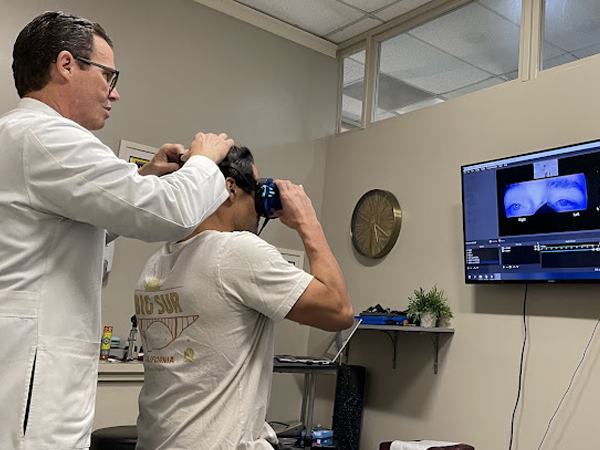
If you struggle with dizziness, balance problems, vertigo, motion sensitivity, or symptoms after a concussion, a neuro-otologic chair assessment may help identify how your brain and vestibular system are working together. At Bagnell Brain Center in Pinecrest, this testing is designed to evaluate balance, eye movement, and motion response in a detailed, measurable way.
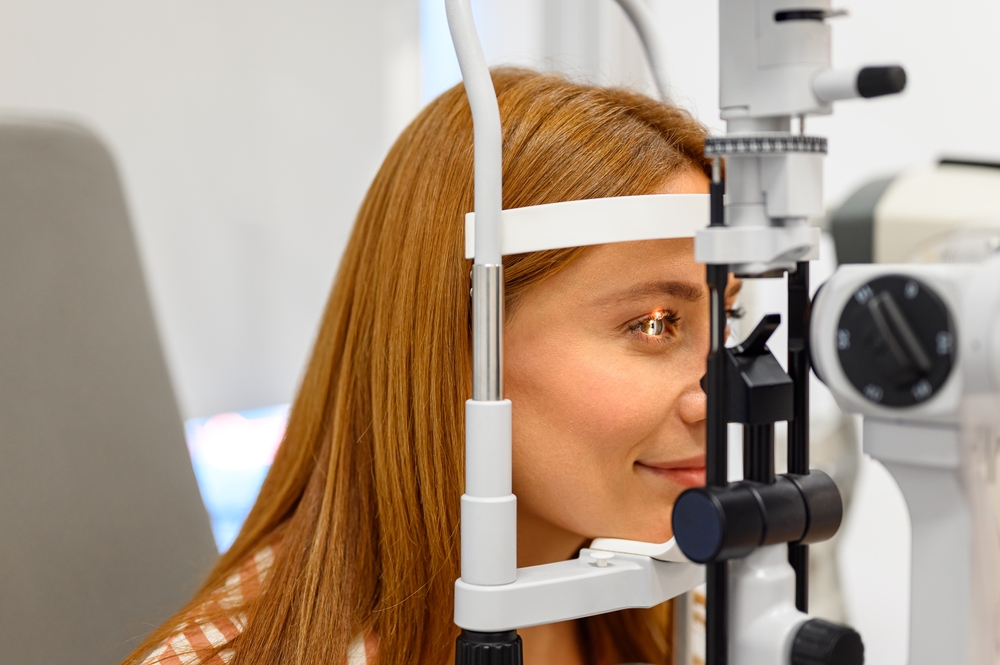
When people think about vision testing, they often picture reading letters on an eye chart. While a standard eye exam is important for checking eyesight and eye health, it does not always show how well the eyes and brain work together. For some patients, especially those dealing with headaches, dizziness, balance issues, trouble focusing, or symptoms after a concussion, a functional vision test may provide a deeper look at what is happening.

Balance problems and dizziness can interfere with nearly every part of daily life, from walking confidently to staying focused at work. Functional neurology looks at how the brain, nervous system, and body are communicating and whether certain pathways may be underperforming.
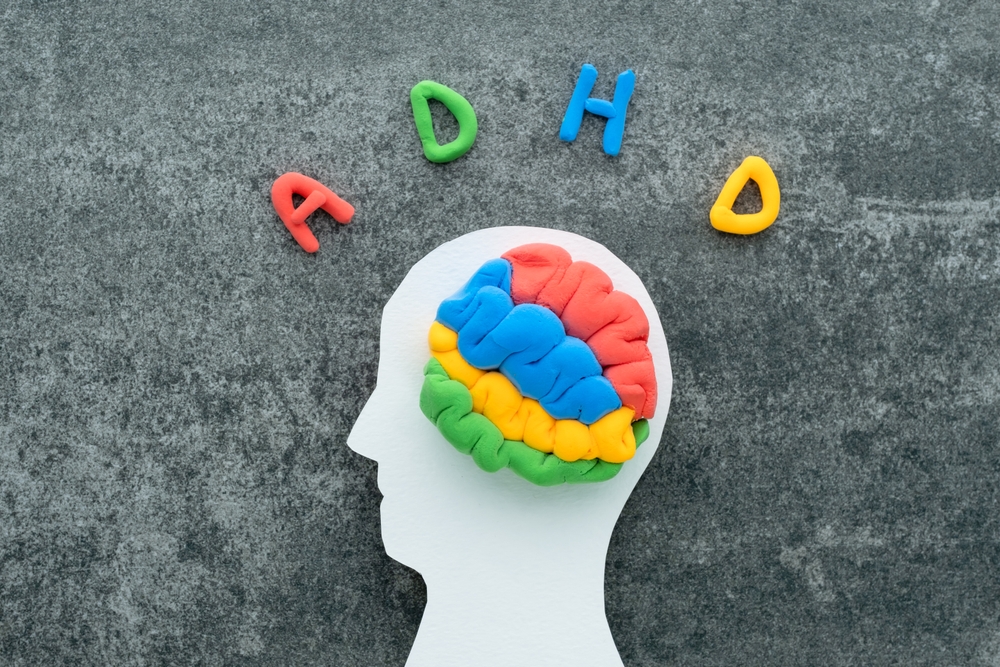
A consistent morning routine can make the rest of the day feel more manageable. For many people with ADHD, the hardest part is not knowing what comes next. We recommend keeping mornings simple, repeatable, and easy to follow. Waking up at the same time, getting dressed in the same order, and eating breakfast without rushing can help reduce stress before the day begins.

Mood changes are a natural part of life. We all experience periods of happiness, stress, sadness, or frustration. However, when shifts in mood become persistent, intense, or disruptive to daily functioning, they may signal something more serious - such as a mood disorder.



© 2026 Bagnell Brain Center. All Rights Reserved. Accessibility Statement - Privacy Policy - Sitemap
Powered by: 