
The Hidden Link Between Vestibular Health and Cognitive Decline in Women

If you've ever worried about Alzheimer's disease, you're not alone. It's a top concern for many women, especially as they age, with nearly twice the risk compared to men. But what if some of that risk isn't just about genetics or lifestyle, but also connected to an often-overlooked part of your body—your vestibular system?In this post, we'll explore the surprising connection between your inner ear, balance system, and brain health. You'll learn how maintaining vestibular function could play a crucial role in preventing cognitive decline, including Alzheimer's disease, particularly in women. This is an eye-opener for anyone interested in proactive brain health strategies.
The Vestibular System: Your Brain’s GPS and Beyond
Many people think of the vestibular system simply as responsible for balance—it’s housed in your inner ear, with canals and structures that help your brain understand where your head and body are in space. Think of it as the GPS of your brain, guiding your movement, posture, and orientation.But recent advances reveal it's much more than that. The vestibular system communicates directly with the brain's memory centers and higher cognitive functions, including areas like the prefrontal cortex and insula. This means balance and spatial orientation are deeply intertwined with your thinking, memory, and even your emotional health.Why the Vestibular System Matters for Brain HealthThe traditional view isolates the vestibular system as purely for balance. However, emerging research shows it influences parts of the brain involved in memory, decision-making, and emotional regulation. When the vestibular system weakens with age or injury, it could contribute to cognitive decline, including dementia and Alzheimer’s.Moreover, the inner ear's communication with the hippocampus—our brain’s memory hub—means that disturbances here could precede or accelerate cognitive issues. This connection suggests that vestibular health isn't just about avoiding falls; it's about safeguarding your brain for the long term.
Can Vestibular Function Be Improved? The Potential for Prevention
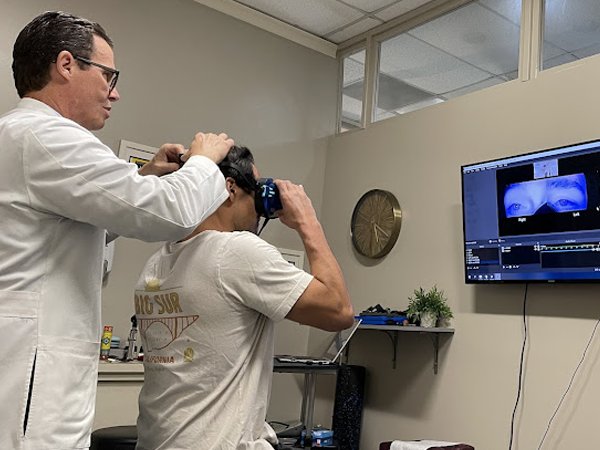
What if you could strengthen your vestibular system right now? The good news is that the vestibular system is trainable. Just like muscles, it can be strengthened and rehabilitated using targeted exercises and technology.In our work with cutting-edge vestibular testing, we now see how precisely the system is functioning—like using a telescope to see deep into the universe. This allows us to identify weaknesses that weren’t visible before. By training the vestibular system, it’s possible to enhance balance, improve cognitive function, and potentially delay or prevent dementia.The Aging Vestibular System and Opportunities for GrowthJust as your eyesight declines with age, your inner ear's balance structures also weaken. But, with appropriate exercises, rehabilitation, and lifestyle choices, you can help maintain and even improve vestibular function. This proactive approach could be vital in reducing the risk of cognitive decline.How? For example, some studies suggest balance exercises, physical therapy, or specialized neuro-rehabilitation can stimulate and bolster vestibular pathways. When combined with a focus on sleep, diet, and emotional health, these strategies form a comprehensive defense against neurodegeneration.
Practical Steps to Support Your Vestibular and Brain Health
Given what we now understand about the relationship between vestibular function and cognitive decline, here are practical steps you can take today:
1.
Incorporate Balance and Vestibular Exercises
Simple practices like standing on one leg, head movements, or specialized vestibular training can help strengthen your inner ear’s communication with your brain. Working with professionals trained in neuro-vestibular rehab can optimize results.
2.
Optimize Sleep and Stress Management
Sleep is absolutely essential for brain health. Poor sleep can weaken vestibular function and exacerbates cognitive decline. Adopting good sleep hygiene—such as consistent routines, managing blood sugar levels, and reducing stress—can make a big difference.[
IMAGE: Diagram showing vestibular system connections to hippocampus and prefrontal cortex
]Alt Text: Visual diagram illustrating how the inner ear communicates with brain areas involved in memory and cognition.
3.
Prioritize Neurological and Vestibular Evaluations
Recent technological advancements allow for deep insight into vestibular health. If you’re concerned about balance issues, dizziness, or cognitive decline, testing can identify weaknesses before symptoms emerge. Early intervention might include targeted exercises or other therapies to strengthen neural pathways.
4.
Lifestyle and Dietary Choices
Eating for brain health—such as managing blood sugar, avoiding late-night eating, and reducing inflammation—can support the entire nervous system. Adequate hydration, physical activity, and emotional regulation also contribute to optimal vestibular and cognitive function.[
INTERNAL LINK: Learn more about brain-boosting habits and neuroplasticity strategies
]Place within the article for readers interested in deeper steps.
The Power of a Systems-Based Approach
Many treatment models focus solely on symptom management, but a systems-based perspective digs deeper, addressing root causes. The vestibular system, brainstem health, sleep, diet, and stress are interconnected.For women especially, proactive assessment and training of the vestibular system could be a game-changer. Addressing imbalance early not only improves balance but supports cognitive longevity. When combined with good sleep, nutrition, and mental health practices, you create a durable defense against neurodegeneration.
Final Thoughts: You Can Rebuild Brain Resilience
The hope is tangible: your brain isn't fixed in decline. Neuroplasticity—the brain’s ability to rewire itself—means that with proper strategies, you can help restore function and reduce risks associated with aging.If you’re wondering whether an undetected vestibular weakness might be contributing to your memory issues or brain fog, consider a thorough assessment. Tailored training can help rebuild vital neural connections, enhancing both balance and cognition.And remember, taking an active role now can significantly influence your brain’s future. The vestibular system, once overlooked as just balance, is emerging as a central player in brain health and longevity.
Take Action Today
You don't have to wait for symptoms to appear. Reach out to specialists trained in vestibular and neurorehabilitation, pursue comprehensive assessments, and incorporate balance exercises into your routine. Your future self will thank you for it.
Interested in learning more? Contact your local neuro-vestibular expert or visit the Bagnell Brain Center to schedule an evaluation. Because a healthy vestibular system is not only about balance—it’s about building resilience in your brain today for a healthier tomorrow.



© 2026 Bagnell Brain Center. All Rights Reserved. Accessibility Statement - Privacy Policy - Sitemap
Powered by: 