

Playground, Pool Deck, or Trampoline Falls: What to Do in the First 72 Hours After a Non-Sports Kid Concussion
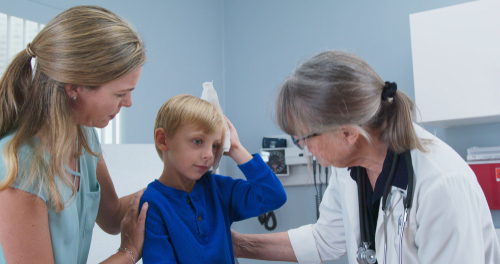
A child who slips on a pool deck may get right back up, then complain of a headache on the ride home. Concussion symptoms can take hours to appear, and a child can have a concussion without losing consciousness. When Pinecrest families ask us what to do after a fall, our first advice is to stop play, stay with your child, and check for emergency warning signs.
Right After the Fall: Know When to Get Emergency Care
Call 911 or go to the nearest emergency department right away if your child shows any of these signs after a fall, even if the injury happened hours earlier:
A headache that keeps getting worse or repeated vomiting
A seizure, loss of consciousness, or difficulty waking up
Increasing confusion, unusual agitation, or trouble recognizing familiar people
Slurred speech, weakness, numbness, or difficulty walking
Double vision or one pupil that looks larger than the other
In a baby or toddler, crying that cannot be soothed or refusal to nurse or eat
If there are no emergency signs but you suspect a concussion, call your child’s pediatrician the same day to arrange an evaluation. Describe how your child landed and what changed afterward. A preschooler may want to be held or lose interest in a favorite game. An older child may tell you they feel dizzy or that ordinary sounds seem too loud.
The First 24 to 48 Hours: Rest, Sleep, and Gentle Activity
If your child’s clinician recommends home care, have an adult stay with your child for the first 24 hours. Let your child sleep at their usual bedtime and follow any overnight instructions the clinician gives you. You generally do not need to set alarms to wake them. Becoming unusually hard to wake is an emergency.
Keep the first couple of days quiet and limit screen time. Your child can sit with the family, draw, or try a short walk with you as tolerated. If a headache or dizziness noticeably increases, ease back and try a shorter activity later. Call the pediatrician if symptoms worsen or new ones appear.
Days Two and Three: Plan for School and Recess
Most children can return to school within one to two days, even with mild symptoms. We encourage parents to tell the teacher what their child notices at home. If reading brings on a headache, shorter assignments and breaks may help. If noise bothers them, ask about a quieter place for lunch.
A child who feels ready for class may still need limits at recess. Choose a walk with a friend while climbing equipment, trampolines, and rough play are off-limits. Ask your child’s clinician when it is safe to resume activities that could lead to another head injury.
If your child has already been evaluated and you’d like help managing lingering concussion symptoms, call Bagnell Brain Center in Pinecrest, FL, at (305) 889-7488 to schedule a follow-up consultation with our team.


© 2026 Bagnell Brain Center. All Rights Reserved. Accessibility Statement - Privacy Policy - Sitemap
Powered by: 