
Protecting a Young Athlete's Brain
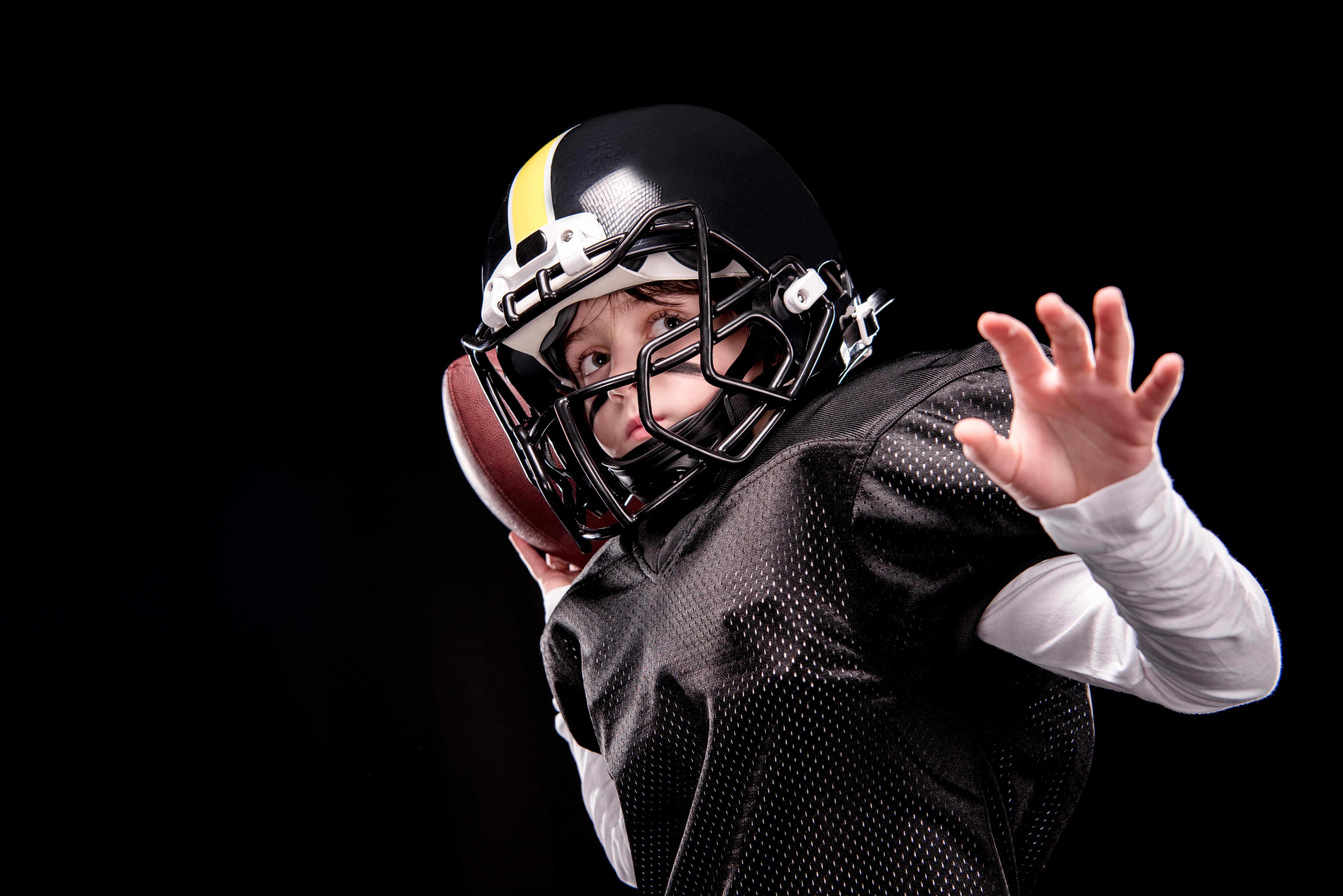
What Parents and Coaches Need to Know About Sports Concussions
Based on the NeuroCollective Podcast, brought to you by Bagnell Brain Center of South Florida
It's the championship game. Your child takes a hard hit, then gets up and says, "I'm fine." The coach needs them and their teammates are counting on them, but something doesn't seem right. This is the situation parents and coaches dread. In this article, inspired by the Concussion Conversations series on the NeuroCollective Podcast, Doc Bagnell explains why the game can wait and how to protect a young athlete's brain without taking away their love of the sport.
WHY THIS MATTERS
Concussions may happen without a blackout.
Symptoms can be delayed.
Objective testing helps protect athletes.
"No game, championship, or scholarship opportunity should override neurological safety."
Which Youth Sports Have the Most Concussions?
According to the CDC, these youth and high school sports rank among the highest for concussion risk:
Boys' tackle football
Girls' soccer
Boys' lacrosse
Boys' ice hockey
Boys' wrestling
Cheerleading also ranks high because modern competitive routines involve flips, falls, and athlete-to-athlete collisions.
What Actually Happens Inside the Brain
Dcx Bagnell uses a simple analogy: imagine a glass towl of set jello. Shake the bowl quickly from side to side and the jello shifts inside it. The brain moves in a similar way inside the skull. Rapid acceleration and deceleration can stretch delicate nerve fibers, creating shearing forces and neuro-inflammation that trigger symptoms.
A concussion does not require a direct hit to the head. A sudden stop, collision, or whiplash-type movement can injure the brain and surrounding structures.
Recovery also varies from person to person. Genetics, hormones, immune function, and previous injuries all influence how someone responds
Key truth: A concussion does not require a direct hit to the head. A sudden stop, collision, or whiplash-type movement can injure the brain and surrounding structures.
Recovery also varies from person to person. Genetics, hormones, immune function, and previous injuries all influence how someone responds.
"A concussion can happen without a blackout or a direct blow to the head."
Signs Parents and Coaches Should Watch For
Physical: headache, dizziness, balance problems, sensitivity to light and noise.
Cognitive: confusion, memory loss, slower thinking, trouble concentrating.
Emotional & Sleep: irritability, anxiety, sadness, insomnia, or sleeping too much.
Gastrointestinal: changes in gut function, because of the brain-gut connection.
Symptoms may not show up immediately. Sometimes they take hours to become noticeable.
Do CT Scans and MRIs Detect a Concussion?
Not usually. Routine CTs and MRIs can look normal after a concussion. They are important for ruling out other serious injuries, but they do not show how the brain is functioning.
WHAT MATTERS IS FUNCTION
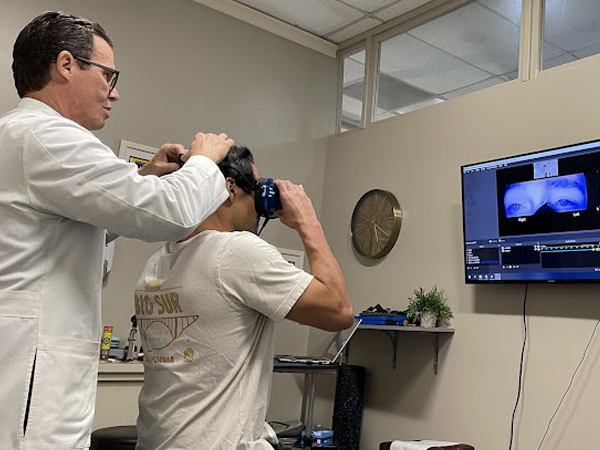
Eye tracking
Balance and stability
Vestibular function
School/cognitive performance
Why Returning Too Soon Is Serious
Reduced peripheral vision: The brain may not track the full visual field, which can increase the risk of another injury.
Second impact risk: Another hit before full recovery can cause rapid and severe brain swelling (potentially life-threatening).
Prolonged recovery: Rushing back can make symptoms last much longer.
Hidden signs: The athlete may feel "fine," but measurable brain function (such as vision, balance, or processing speed) may still be impaired.
The goal: Return the athlete to life - not just to the game.
"'I feel ready' is not the same as being neurologically ready."
What To Do If You Suspect a Concussion
1. Remove the athlete from play immediately.
2. Do not allow same-day return to play.
3. Monitor symptoms closely.
4. Seek medical evaluation.
Get emergency care right away for red flags.
SEEK URGENT MEDICAL ATTENTION IF THERE IS:
Worsening headache
Repeated vomiting
Increasing confusion
Seizure
Unusual behavior
One pupil larger than the other
Weakness
Trouble waking up
Loss of consciousness
Return to Learn and Return to Play
Athletes often need a gradual return to school before a full return to sports. They should be able to read, concentrate, and tolerate school demands again. Return to sport should follow medical guidance and a stepwise progression after symptoms have improved and function has normalized.
Next Steps: PROTECTING ATHLETES WITHOUT TAKING AWAY THE SPORT
Make sure injuries are fully recovered before return.
Prioritize education and safer technique.
Use proper helmets and mouth guards.
Consider baseline testing.
Offer team education.
Build a culture of reporting.
Work with healthcare professionals.
KEY TAKEAWAYS
Concussions often happen without a blackout.
Don't rely on "I feel fine."
Objective testing matters.
Returning too soon risks slower healing.
The brain can heal with the right support.
If you suspect your child has had a concussion, or symptoms haven't cleared after a few weeks, consider a discovery call with Bagnell Brain Center of South Florida. Athletic trainers and teams interested in concussion education or baseline testing can also reach out.
This article is for educational purposes and is not a substitute for professional medical advice.


© 2026 Bagnell Brain Center. All Rights Reserved. Accessibility Statement - Privacy Policy - Sitemap
Powered by: 