
The Biological Blueprint: How Hyperbaric Oxygen Speeds Up Adult Brain and Tissue Healing
Healing depends on oxygen. Every repair process, from rebuilding damaged tissue to supporting normal brain metabolism, requires cells to receive enough oxygen to perform their work. When injury, inflammation, swelling, or reduced circulation limits oxygen delivery, recovery can become slower and less efficient.
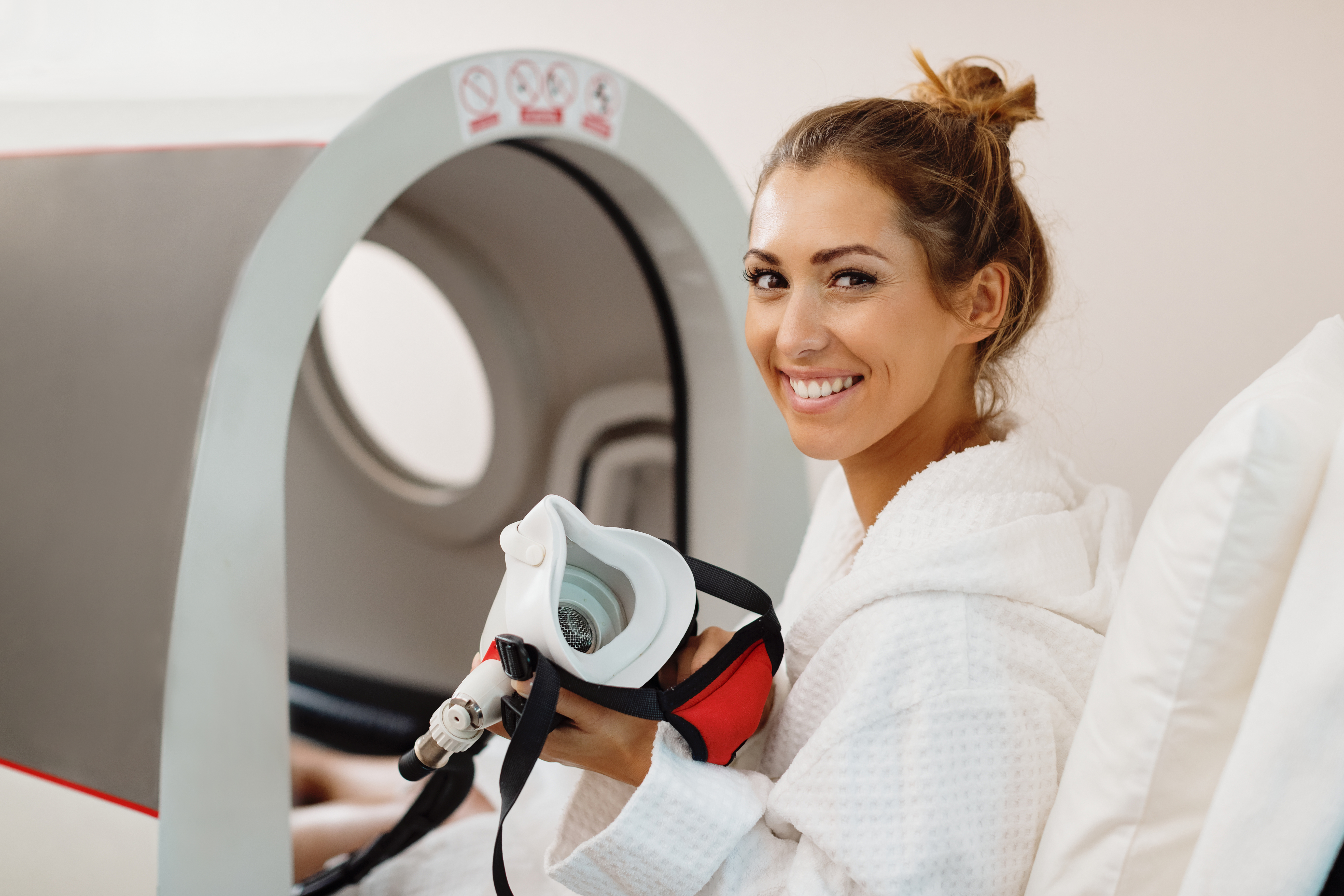
Hyperbaric oxygen therapy, or HBOT, gives Pinecrest adults a controlled way to increase the amount of oxygen available to the body. During a session, the patient breathes oxygen inside a pressurized chamber. The increased pressure helps the lungs collect more oxygen and raises the amount carried through the bloodstream to tissues throughout the body.
The Biology Behind Hyperbaric Oxygen Therapy
Under normal conditions, red blood cells carry most of the oxygen in the bloodstream. HBOT increases the amount of oxygen dissolved in plasma, which is the liquid portion of blood. This creates a stronger oxygen gradient that helps oxygen move into stressed or injured tissue.
At the cellular level, increased oxygen availability supports several processes involved in repair:
- Encouraging new blood vessel development, also known as angiogenesis
- Supporting fibroblast activity and collagen production
- Improving the oxygen-dependent function of infection-fighting white blood cells
- Helping reduce swelling in certain injured tissues
- Supporting cellular energy production in areas affected by reduced oxygen
- Creating conditions that allow damaged tissue to rebuild more efficiently
These biological effects help explain why hyperbaric oxygen is used as an established adjunct for specific conditions, including certain nonhealing wounds, radiation tissue damage, compromised grafts and flaps, carbon monoxide poisoning, and decompression sickness. HBOT is generally combined with other necessary medical care rather than used as a replacement for it.
How Oxygen Supports Adult Brain Recovery
The adult brain has high energy demands and depends on a steady supply of oxygen and glucose. After a concussion or traumatic brain injury, changes in blood flow, inflammation, and disrupted cellular metabolism can contribute to headaches, dizziness, fatigue, concentration difficulties, and other persistent symptoms.
By increasing tissue oxygenation, HBOT is intended to support cellular recovery and create a more favorable environment for the brain’s natural repair processes. Research continues to examine its role in traumatic brain injury, but findings remain variable. Brain injury is not currently among the standard accepted indications for HBOT, so the therapy should be considered an individualized adjunct rather than a guaranteed cure.
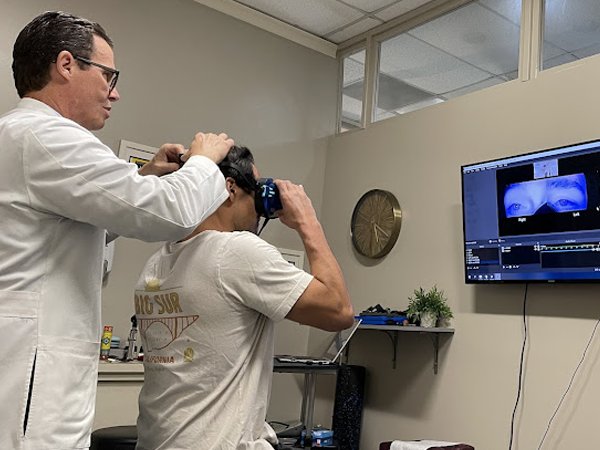
At Bagnell Brain Center, we consider the complete neurological picture. For Pinecrest patients recovering from a concussion or mild traumatic brain injury, hyperbaric oxygen may be incorporated with functional neurological rehabilitation, vestibular exercises, oculomotor work, neurofeedback, or other therapies based on examination findings.
Why Hyperbaric Treatment Plans Vary
There is no universal HBOT schedule for every adult or condition. The number and length of sessions depend on the treatment goal, health history, symptoms, clinical response, and how the therapy fits into the broader recovery plan. Bagnell Brain Center’s hyperbaric sessions generally last between 60 and 90 minutes.
A professional evaluation is important because HBOT is not appropriate for every patient. Hyperbaric devices must be operated according to strict safety protocols and manufacturer instructions. Because oxygen-rich environments increase fire risk, patients must also follow all preparation requirements and restrictions provided before treatment.
Supporting a More Complete Recovery Strategy
Hyperbaric oxygen does not replace appropriate medical treatment, rehabilitation, nutrition, sleep, or care for the original injury. Its role is to support the biological conditions the body needs for repair. When thoughtfully included in a personalized plan, HBOT can help Pinecrest adults improve tissue oxygenation while working toward stronger neurological and physical function.
Schedule a hyperbaric oxygen therapy consultation with Bagnell Brain Center at 12685 South Dixie Highway, Pinecrest, FL 33156. Call (305) 889-7488 to book an appointment.



© 2026 Bagnell Brain Center. All Rights Reserved. Accessibility Statement - Privacy Policy - Sitemap
Powered by: 