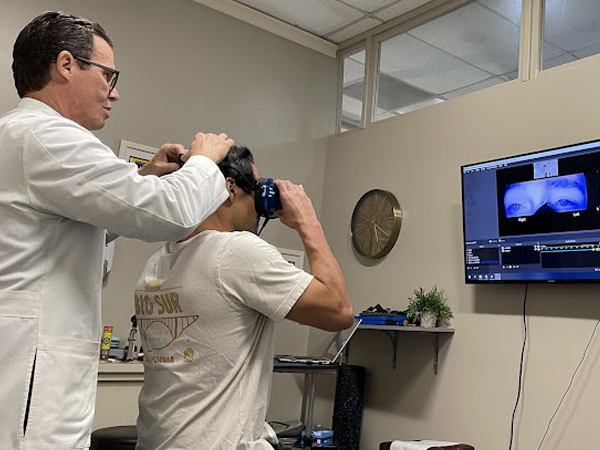


The car has been repaired. Life is moving forward. Yet you still feel dizzy, exhausted, anxious, foggy, or simply unlike yourself. What could be happening after an automobile accident?
An educational conversation with May Bagnell and Dr. Michael Bagnell · The NeuroCollective Podcast
For some people, the effects of a car accident extend well beyond the day of the collision. Headaches, poor sleep, fatigue, difficulty concentrating, dizziness, and changes in emotional well-being may interfere with daily routines—even when there is no obvious external injury.
In this episode of the NeuroCollective Podcast, May Bagnell and Doc Bagnell explore common questions about possible concussion, whiplash, delayed symptoms, normal CT scans, and the process of rebuilding confidence during recovery.
Can You Have a Concussion Without Hitting Your Head?
Yes. A concussion can occur when a blow to the body or a rapid acceleration or deceleration causes the head and brain to move suddenly. A direct impact to the head is not always necessary. A car crash can involve forces that produce both a whiplash-type neck injury and a possible concussion.
The amount of visible damage to a vehicle does not reliably indicate whether a concussion occurred. Symptoms and circumstances should be reviewed by an appropriately qualified healthcare professional.
Why Do Concussion Symptoms Sometimes Appear Hours or Days After a Crash?
Symptoms are not always apparent immediately. The stress response following an accident may affect how a person notices or reports discomfort, and some symptoms evolve over time. Someone who initially feels relatively well may later notice headaches, dizziness, fatigue, sleep changes, or difficulty concentrating.
If new symptoms develop after an accident, or existing symptoms become worse, seek medical advice rather than assuming they are a normal part of recovery.
My CT Scan Was Normal. Why Do I Still Feel Dizzy, Foggy, or Exhausted?
A CT scan is often used after head trauma to look for certain urgent structural problems, such as bleeding. A normal CT scan does not rule out a concussion and does not necessarily explain ongoing symptoms affecting everyday function.
Persistent dizziness, balance difficulty, headaches, sleep disruption, or problems with concentration can have more than one contributing cause. A clinician may consider the accident history, neurological examination, neck symptoms, vestibular function, medications, and other relevant factors when deciding whether further evaluation is appropriate.
Important distinction: Structural imaging and clinical evaluation answer different questions. Neither symptoms nor a normal scan alone can establish the full explanation for how someone feels.
Can Whiplash and Concussion Happen at the Same Time?
Yes. Concussion and whiplash can occur together, and their symptoms may overlap. Neck pain, headaches, dizziness, and difficulty concentrating can arise from different sources, so it is important not to assume every symptom has one cause.
Understanding the mechanics of the crash, the timing of symptoms, and findings from an appropriate examination can help guide clinical decisions.
How Can You Rebuild Confidence After an Accident?
Feeling uneasy about driving or returning to normal activities can be part of the recovery experience. The episode encourages realistic expectations, recognizing small signs of progress, and discussing an individualized gradual return to activity with a healthcare professional.
For people with persistent fear, panic, or avoidance related to the crash, psychological support may also be helpful. You do not need to push through symptoms or force yourself back behind the wheel before it is safe.
What if Treatments You Have Tried Have Not Helped?
A useful next step may be reviewing exactly what has already been tried, how frequently it was used, what changed, and which concerns remain. A qualified provider can use that history and an appropriate examination to consider whether additional assessment, a different approach, or referral is warranted.
There is no single assessment or treatment appropriate for everyone after a crash.
Where Can You Learn More About Assessment?
In the episode, May and Doc discuss resources available through the Bagnell Brain Center patient center, including the Brain Localization Survey and the option to request a virtual consultation. These resources may help organize concerns and start a conversation with a clinician, but they are not diagnostic tools or substitutes for medical care.
Still Not Feeling Like Yourself?
If you are dealing with persistent symptoms after an automobile accident, consider speaking with a qualified healthcare professional about your history, symptoms, and appropriate next steps. Learn more through Bagnell Brain Center.
Next step: Visit the Patient Center on the Bagnell Brain Center website to explore available resources and consultation options.
Key Takeaways
A concussion may occur without a direct blow to the head.
Symptoms can emerge or change after the initial accident.
A normal CT scan does not exclude concussion or explain all persistent symptoms.
Whiplash and concussion can coexist, with overlapping symptoms.
Recovery and return to activity should be individualized, with attention to both physical and emotional concerns.