
The Difference Between a Functional Vision Test and a Standard Eye Exam

The Difference Between a Functional Vision Test and a Standard Eye Exam
When people think about vision testing, they often picture reading letters on an eye chart. While a standard eye exam is important for checking eyesight and eye health, it does not always show how well the eyes and brain work together. For some patients, especially those dealing with headaches, dizziness, balance issues, trouble focusing, or symptoms after a concussion, a functional vision test may provide a deeper look at what is happening.
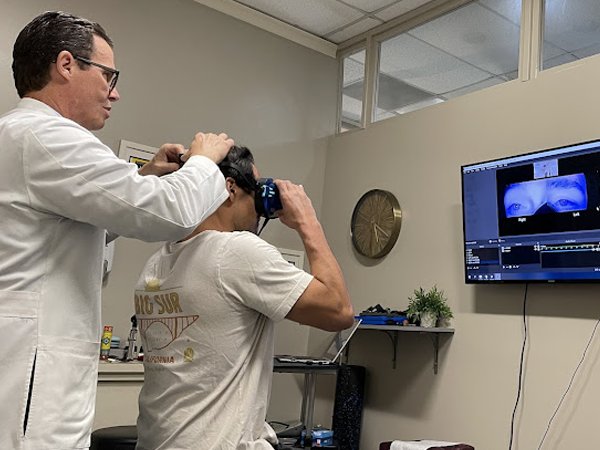
At Bagnell Brain Center in Pinecrest, functional vision testing is used to better understand how visual processing may be affecting comfort, coordination, and daily performance.
What a Standard Eye Exam Checks
A standard eye exam typically focuses on eye health and visual clarity. It may evaluate whether you need glasses or contacts, how well you can see at different distances, and whether there are signs of eye disease. This type of exam is essential for maintaining healthy eyes and clear vision.
However, someone can have 20/20 eyesight and still struggle with how their eyes track, focus, or coordinate. That is where a functional vision test is different.
What a Functional Vision Test Looks For
A functional vision test evaluates how the visual system performs in real life. Instead of only asking, “Can you see clearly?” it also asks, “Can your eyes and brain work together efficiently?”
This can include looking at how your eyes move, how they team together, how they shift focus, and how your brain processes visual information. These skills are important for reading, driving, sports, balance, screen use, and movement through busy environments.
Why Functional Vision Matters
Vision is closely connected to the brain and nervous system. When the eyes are not tracking or coordinating properly, the brain may have to work harder to process what you see. Over time, this can lead to symptoms that may not seem like a traditional “vision problem.”
A functional vision issue may contribute to:
• Headaches or eye strain
• Dizziness or motion sensitivity
• Trouble reading or losing your place
• Poor depth perception
• Light sensitivity
• Difficulty concentrating
• Balance or coordination challenges
• Symptoms after concussion or head injury
Because these symptoms can overlap with other neurological concerns, a more detailed evaluation can help identify whether the visual system is part of the problem.
Who May Benefit From Functional Vision Testing?
Functional vision testing may be helpful for children, adults, athletes, and anyone who feels that their vision is affecting daily life, even when their eyesight seems clear. It may also be recommended for patients with concussion history, migraines, balance concerns, or difficulty with visual focus. At Bagnell Brain Center, the goal is to look beyond isolated symptoms and better understand how the brain, body, and visual system are working together.
Take the Next Step at at Bagnell Brain Center
If you have been told your eyesight is normal but still struggle with headaches, dizziness, reading discomfort, visual fatigue, or balance issues, a functional vision test may help uncover what a standard eye exam does not measure.
Schedule a functional vision evaluation at Bagnell Brain Center to better understand how your eyes and brain are working together. Visit our office in Pinecrest, Florida, or call (305) 889-7488 to book an appointment today.


© 2026 Bagnell Brain Center. All Rights Reserved. Accessibility Statement - Privacy Policy - Sitemap
Powered by: 