
What to Expect During a Functional Neurology Brain Mapping Consultation: Testing, Tech, and Next Steps

If you are exploring functional neurology brain mapping in Pinecrest, you may be wondering what the consultation actually involves. Brain-based symptoms can feel frustrating when they affect focus, mood, balance, sleep, memory, or day-to-day performance. A brain mapping consultation is designed to gather more information about how your brain is functioning so your care plan can be more personalized.
At Bagnell Brain Center in Pinecrest, functional neurology, brain mapping, and neurofeedback are used to better understand patterns in brain activity and support targeted next steps for care.
What Is Functional Neurology Brain Mapping?
Functional neurology focuses on how the brain, nervous system, and body communicate. Rather than looking only at symptoms, the goal is to evaluate function and identify areas that may need support. Brain mapping adds technology to this process by measuring brainwave activity and creating a visual representation of patterns in different areas of the brain.
For patients in Pinecrest and the greater Miami area, this can be helpful when symptoms are complex or have not improved with standard approaches. Brain mapping does not replace a medical diagnosis, but it can provide valuable insight for creating a more customized plan.
What Happens During The Consultation?
Your first visit typically begins with a detailed conversation about your health history, concerns, goals, and daily symptoms. The team may ask about sleep, stress, focus, dizziness, headaches, mood changes, past injuries, nutrition, performance goals, and other factors that can affect brain function.
This conversation helps connect your symptoms with possible patterns in the nervous system. It also gives the provider a clearer understanding of what you want to improve, whether that is better focus, fewer symptoms, improved balance, or enhanced brain performance.
The Testing And Technology Used
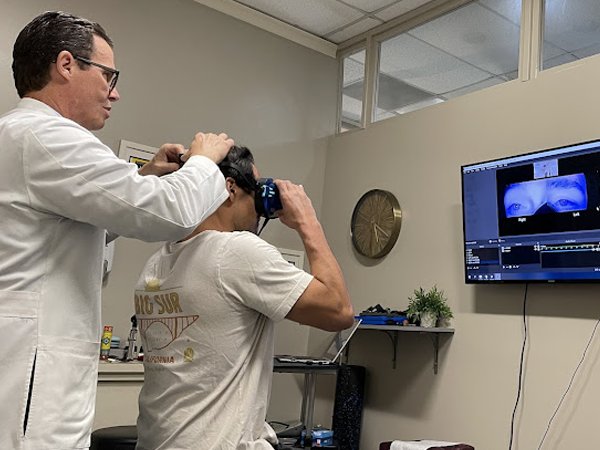
During brain mapping, sensors are placed on the scalp to collect information about electrical activity in the brain. This process is non-invasive and does not involve discomfort. The collected data is then used to create a visual map of brainwave patterns.
Depending on your symptoms, your Pinecrest consultation may also include functional testing that looks at balance, eye movements, coordination, sensory processing, or other nervous system responses. These tests help build a more complete picture of how the brain and body are working together.
Common areas that may be reviewed during a functional neurology brain mapping consultation include:
- Brainwave activity and patterns
- Focus, attention, and cognitive performance
- Balance, coordination, and vestibular function
- Eye movement and visual processing
- Stress response and emotional regulation
- Sleep quality, fatigue, and daily energy levels
This information helps guide the next phase of care instead of relying on a one-size-fits-all approach.
How Brain Mapping Supports Neurofeedback
Brain mapping is often connected to neurofeedback because the map can help guide an individualized training program. Neurofeedback uses feedback from brain activity to help encourage healthier patterns over time. The goal is to support better self-regulation, which can be important for focus, mood, stress, sleep, and overall brain performance.
At Bagnell Brain Center, the information gathered through brain mapping and functional neurology testing can help determine whether neurofeedback, therapeutic exercises, nutritional support, vestibular work, or other brain-based strategies are appropriate.
What Happens After Testing?
After your testing is complete, your provider will review the findings and explain what they mean in a clear, practical way. You should leave with a better understanding of what the brain mapping showed, how it connects to your symptoms, and what options may be recommended next.
Your care plan may include in-office therapies, at-home recommendations, neurofeedback sessions, lifestyle guidance, or additional functional neurology testing. For Pinecrest patients, the next steps are based on your goals, the testing results, and how your nervous system responds over time.
Schedule a functional neurology brain mapping consultation with Bagnell Brain Center at 12685 South Dixie Highway, Pinecrest, FL 33156, by calling (305) 889-7488.



© 2026 Bagnell Brain Center. All Rights Reserved. Accessibility Statement - Privacy Policy - Sitemap
Powered by: 