
Why Dizziness Is Not Just an Inner Ear Problem: A Deep Dive into the True Causes and Solutions

Dizziness is a common complaint but often misunderstood. Many people assume that dizziness is solely an inner ear issue, specifically related to the vestibular system housed in the inner ear. However, this is only part of the story. In this post, we’ll explore why dizziness is more complex than it appears at first glance and highlight the innovative approaches that can truly resolve chronic balance issues.With advances in functional neurology and sophisticated testing, practitioners can now look deeper into the sensorimotor systems and brain networks involved. If you're struggling with persistent dizziness or simply want a clearer understanding to prevent its development, this comprehensive overview will shed light on the real causes and effective treatments.
The Hidden Layers of Dizziness: Beyond the Inner Ear
Why Do People Live with Dizziness for Years?Many individuals have endured dizziness for years, often managing it rather than solving it. A common scenario? Someone experiences mild to moderate dizziness—say, a 3 or 4 out of 10—and learns to compensate over time. They might remain active and successful, but underlying issues persist.Why? Because traditional evaluations tend to focus on the inner ear and typical tests. Often, these assessments show normal results, leaving the real causes untouched. As one patient guest remarked, “We've checked your hearing and eyes, but nothing seems wrong, so your dizziness must be just 'part of life.'” Yet, as clinicians understand today, this approach overlooks a bigger picture.The Limitations of Traditional TestingStandard vestibular tests, such as caloric and ENG (electronystagmography), primarily assess the low-range responses of the vestibular system. They don’t uncover how the brain and vestibular pathways operate during normal movement or in real-life situations where most dizziness occurs.Moreover, diagnostic imaging like MRI scans often reveal normal structures without illuminating functional deficits. So, the problem isn’t always structural; it's functional. Understanding the performance and adaptability of the vestibular system is crucial. Without it, symptoms get dismissed or managed superficially.The Role of Sensory Integration and Brain CompensationOur brains rely on multiple sensory systems—vision, proprioception from the body, and vestibular input—to maintain balance and spatial orientation. When one system’s input is inconsistent or weak, others try to compensate. Over time, this compensation can lead to maladaptive patterns.For example, a person might have a slight asymmetry between their ears or sensory deficits from past injury, illness, or stress. These subtle discrepancies might not be flagged in typical tests but can cause persistent dizziness when the brain struggles to reconcile conflicting signals. The result? Chronic imbalance and the feeling of instability.
Advanced Technology and Neuroscience: Seeing the System Clearly
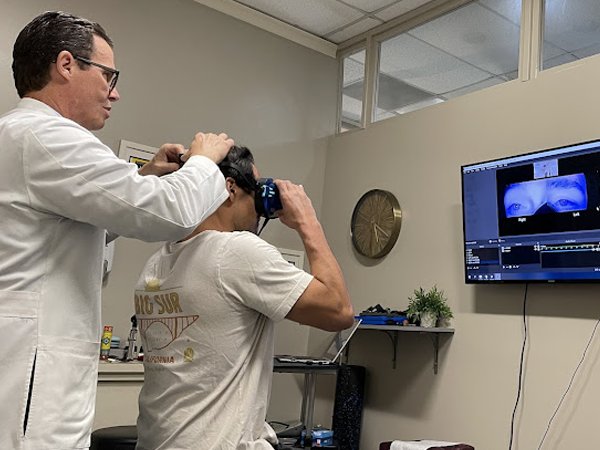
From Structural to Functional AssessmentToday’s technological innovations allow us to assess not just the anatomy but also the function of the vestibular system. For instance, multi-axis rotational chairs and dynamic movement testing enable clinicians to evaluate vestibular responses across a wide range of stimuli—fast, slow, predictable, and unpredictable.This approach reveals weaknesses and asymmetries in the vestibular pathways during real-world head and body movements. It’s akin to testing a car’s suspension not just when stationary, but during actual driving. This level of precision identifies the breakdown points that traditional tests miss.Why This Matters: Accurate Diagnosis Leads to Better OutcomesBy pinpointing specific deficits in the vestibular system—whether within particular canals, otolith organs, or central processing pathways—clinicians can design targeted rehabilitation protocols. These are tailored to retrain the brain’s responses, restore symmetry, and improve balance.This functional assessment also uncovers how other systems, like visual and proprioceptive inputs, contribute to dizziness. For example, if the eyes send conflicting signals relative to vestibular input, the brain becomes unsure of its position—fueling ongoing symptoms.The Connection with Stress and Emotional NetworksInteresting emerging research links dizziness to emotional regulation networks in the brain, especially within the temporal lobes. Since the vestibular system interacts bi-directionally with these areas, chronic imbalance can foster anxiety, and vice versa.Imagine your brain perceiving imbalance as a threat—resulting in anxiety, increased muscle tension, and further imbalance. Restoring vestibular function through precise retraining can also alleviate associated anxiety, creating a positive cycle of recovery.
Unlocking Solutions: How to Retrain and Rebuild Balance
From Compensation to Restoration
The key goal isn’t just to manage symptoms but to retrain the brain’s responses to motion and sensory input. This involves:
Precise motion-specific training:
Using multi-axis rotation and controlled movement to challenge the vestibular system across its entire operational range.Repeated, targeted exercises:
Repetition with increasing challenge supports neuroplasticity—the brain's ability to adapt and reorganize.Progressive retraining:
Starting with simple tasks and advancing to more complex movements to build resilience and function.
This approach ensures that the system isn’t just compensating but actually repairing.
Why Movement Avoidance Worsens the Condition
Many sufferers avoid movement for fear of triggering dizziness. While understandable, this avoidance can lead to further deterioration of the brain’s adaptability—like muscles that atrophy without use.Encouraging safe, controlled movement helps the eyes, brain, and vestibular pathways recalibrate. Over time, this reduces the exaggerated responses and restores functional balance. The process might start with simple head turns or visual tracking, gradually progressing to more dynamic activities.The Power of Repetition and Precision in RehabilitationThe most effective protocols are personalized, based on detailed functional assessments. Repetition at the correct speed and intensity—the “Goldilocks zone” of rehabilitation—enables the brain to develop new, healthier response patterns.This process is much like adjusting the lens of a camera: the right focus, the right amount of light, and patience produce clarity that wasn’t there before. It’s a systematic, stepwise journey toward stability and confidence.
Real-Life Success: A Story of Hope and Recovery
One illustrative case involved a woman in her fifties who had been afraid to move for years. Her neck was stiff and painful, which limited her ability to even turn her head. She came into the clinic completely stiff, fearful of movement, and experiencing significant imbalance.Through a tailored program of vestibular, cervical, and visual therapy involving movement-based assessments, she gradually regained her mobility. Today, she drives comfortably across states, hikes in the mountains, and enjoys life fully—free from the chronic dizziness that once confined her.This story highlights how comprehensive, functional testing coupled with specific, movement-based retraining can transform lives.
The Takeaway: Dizziness Is Fixable When You Look Deeper
Many cases of chronic dizziness stem from complex dysfunctions beyond the inner ear—like sensory imbalance, central processing issues, and emotional networks. Traditional tests often miss these deeper causes, leading to frustration and prolonged suffering.Advances in functional neurology and dynamic testing enable practitioners to uncover the real issues—and most importantly, to develop precise, effective treatment protocols. It’s not just about managing symptoms; it’s about retraining the brain and restoring actual balance.If you or someone you know has been living with persistent dizziness, remember: a thorough, performance-based assessment can reveal the true source. From there, a targeted, movement-centered approach can bring lasting relief.
Frequently Asked Questions
What causes chronic dizziness if the inner ear seems normal?Many cases involve subtle functional deficits in the vestibular system, sensory integration imbalance, or central processing issues—not structural problems. Stress and emotional factors can also play a role.How does advanced testing differ from traditional assessments?Traditional tests measure static responses at low speeds that may not reflect everyday movements. Modern dynamic assessments evaluate the vestibular response across a full range of motion, providing a more accurate picture of functional capacity.Can dizziness be completely cured?Yes, when the underlying functional deficits are properly identified and addressed through movement-based, targeted therapy, many individuals experience full or significant recovery.How does stress impact dizziness?Stress can weaken neural networks and exacerbate imbalance by increasing symptoms or reducing adaptability. Managing stress is an integral part of reducing chronic dizziness.Why is movement important in rehabilitation?Movement stimulates neuroplasticity, helping the brain recalibrate its responses. Avoiding movement can reinforce maladaptive patterns, delaying or preventing recovery.
If you’re ready to explore solutions beyond traditional tests, or if you’ve been told your tests are normal but still suffer, it might be time for a different approach. Connect with a practitioner trained in functional neurology who can perform the precise assessments necessary for effective treatment.For more on how advanced assessments and movement rehab can transform your balance and overall wellbeing, stay tuned to our upcoming content or contact us directly. Your journey toward balance starts with seeing beyond the surface.



© 2026 Bagnell Brain Center. All Rights Reserved. Accessibility Statement - Privacy Policy - Sitemap
Powered by: 