
FAQ: Brain Mapping and Neurofeedback in Pinecrest, FL
At Bagnell Brain Center in Pinecrest, FL, we offer advanced brain mapping and neurofeedback services to assess brainwave activity and develop individualized brain training programs. Our approach combines quantitative EEG (qEEG) technology, functional neurology, and personalized neurological assessments to address concerns involving attention, stress, sleep, and cognitive performance. Below are frequently asked questions on brain mapping and neurofeedback.
What is brain mapping, and how does it work?
Brain mapping is a non-invasive assessment that measures electrical activity in the brain using quantitative electroencephalography (qEEG). At our Pinecrest center, we analyze brainwave patterns to identify differences in activity across regions of the brain. This information helps us develop individualized neurofeedback training plans based on your neurological assessment and specific concerns.
What can a qEEG brain map reveal about brain function?
A qEEG brain map provides information about brainwave frequencies, activity patterns, and how electrical signals vary across the brain. At Bagnell Brain Center in Pinecrest, we use these findings alongside clinical assessments to better understand neurological function and guide brain-based training. Brain mapping provides additional information but does not independently diagnose neurological or mental health conditions.
How is brain mapping different from a traditional brain scan?
Unlike MRI or CT scans, which examine brain structure, qEEG brain mapping measures electrical brainwave activity. This allows us to examine patterns associated with different states of brain activity. Brain mapping serves a different purpose from medical imaging and does not replace structural scans or conventional neurological testing when medically necessary.
What happens during a brain mapping appointment in Pinecrest?
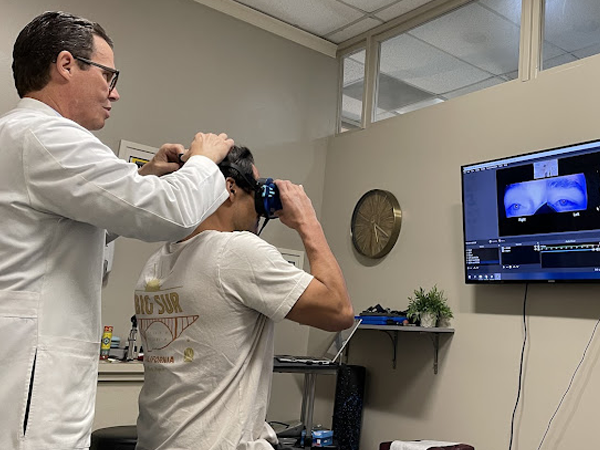
During your brain mapping assessment at our Pinecrest center, we place an electrode cap on your scalp to record electrical brain activity. The equipment collects brainwave data without delivering electrical stimulation. We then review the results alongside your health history, symptoms, and neurological findings to determine whether personalized neurofeedback training is appropriate.
Is qEEG brain mapping safe and non-invasive for patients?
Yes. Quantitative EEG brain mapping is a non-invasive procedure that records the brain's natural electrical signals. The sensors collect information without sending electrical currents into the brain. The assessment does not involve injections or radiation, making it a practical option for evaluating brainwave activity in suitable patients.
How does neurofeedback therapy work?
Neurofeedback is a form of biofeedback that uses real-time brainwave monitoring to guide brain training exercises. At Bagnell Brain Center in Pinecrest, sensors measure electrical activity while specialized software provides feedback when certain brainwave patterns occur. Through repeated training, patients practice regulating their brainwave activity, with progress evaluated throughout the program.
Why is brain mapping performed before neurofeedback training?
Brain mapping provides baseline information that helps guide individualized neurofeedback protocols. We use qEEG findings and neurological assessments to establish training goals rather than relying on a standardized program for every patient. This structured approach helps us select appropriate training targets and monitor the patient's response over time.
Can neurofeedback help with ADHD and attention difficulties?
Neurofeedback is an option some Pinecrest families explore for attention regulation, concentration, and ADHD-related concerns. We evaluate each patient's neurological function and overall needs before recommending brain training.
Do you offer neurofeedback for anxiety and stress management in Pinecrest, FL?
Yes. At our Pinecrest center, we offer neurofeedback training for individuals interested in addressing stress-related concerns and improving self-regulation. We assess brainwave patterns and develop individualized training goals based on the patient's needs. Neurofeedback can be considered alongside other stress management strategies, although its effectiveness for anxiety varies and it does not replace established mental health care.
Can brain mapping and neurofeedback help with sleep difficulties?
Brainwave assessment and neurofeedback may be considered as part of a broader approach to sleep-related concerns. We examine relevant neurological patterns and discuss whether brain training fits your needs. Because sleep disturbances have many possible causes, we also emphasize appropriate medical evaluation when a sleep disorder is suspected.
Is neurofeedback used for concussion recovery?
At Bagnell Brain Center in Pinecrest, we provide neurological assessments and individualized brain-based care for patients experiencing concussion-related concerns. Neurofeedback may be discussed as a complementary training option when appropriate. It does not replace medical concussion evaluation or established rehabilitation, and its effectiveness for persistent post-concussion symptoms remains under investigation.
What should I expect during a neurofeedback session in Pinecrest?
During a neurofeedback session at our Pinecrest center, sensors monitor your brainwave activity while you participate in computer-guided feedback exercises. The system responds to specific patterns of activity, creating opportunities to practice brainwave regulation. We track your training response and review your progress to determine whether adjustments to the program are needed.
How many neurofeedback sessions are typically needed?
The number of sessions depends on your individual goals, assessment findings, and response to training. At Bagnell Brain Center in Pinecrest, neurofeedback programs commonly involve approximately 20 to 30 sessions, with training generally scheduled at least weekly. We evaluate progress throughout the process and explain that outcomes vary rather than promising results after a fixed number of visits.
Is neurofeedback appropriate for children and adults?
Neurofeedback can be considered for patients across different age groups, including children, teenagers, and adults. At our Pinecrest practice, we review each person's developmental needs, medical history, and neurological concerns before determining suitability. Our goal is to recommend a personalized brain training approach only when it is appropriate for the individual.
Why choose Bagnell Brain Center for brain mapping and neurofeedback in Pinecrest, FL?
At Bagnell Brain Center, we combine advanced qEEG brain mapping, functional neurology, and individualized brain-based assessments to provide a personalized approach to neurological wellness. Our team focuses on understanding your concerns, explaining assessment findings, and establishing clear training goals. We prioritize thoughtful evaluations, personalized care, and realistic expectations throughout your program.
If you are interested in learning more about brain mapping, neurofeedback, or personalized brain training, contact Bagnell Brain Center in Pinecrest, FL. Call (305) 889-7488 to schedule a consultation and discover how our individualized approach can support your neurological health goals.



© 2026 Bagnell Brain Center. All Rights Reserved. Accessibility Statement - Privacy Policy - Sitemap
Powered by: 